

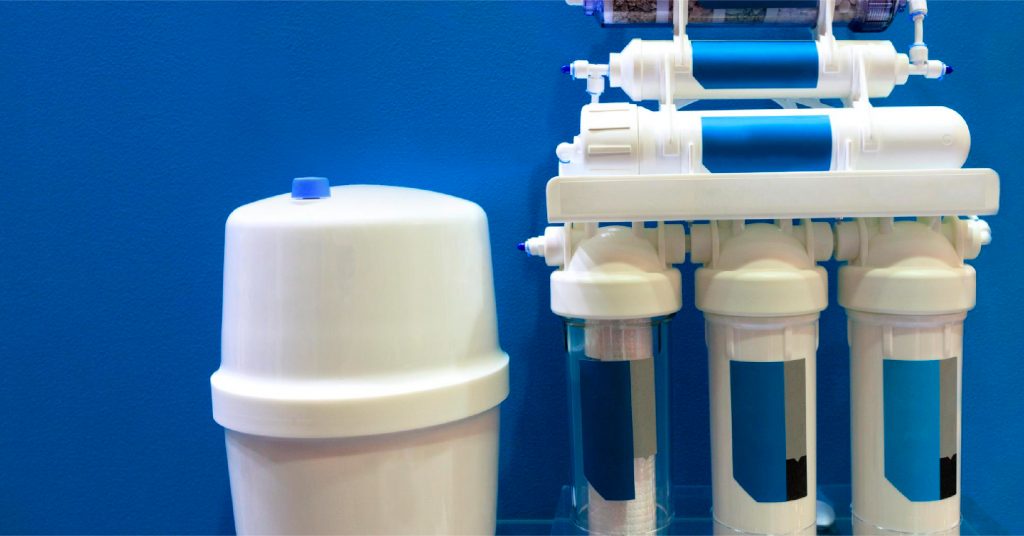
Reverse osmosis (RO) technology plays a vital role in Portugal’s homes, industries, and utilities, especially as freshwater sources become increasingly affected by mineral hardness, salinity, and seasonal fluctuations. Whether it is for drinking water purification or industrial process applications, a reverse osmosis water filter delivers high-quality water by removing dissolved salts, contaminants, and microorganisms.
However, the long-term efficiency of any reverse osmosis water filter system depends heavily on proper maintenance. Without routine care, issues such as membrane fouling, reduced permeate flow, scaling, and microbial growth can damage the system and increase operating costs.
Here are practical, high-impact maintenance tips to keep your RO systems — domestic or industrial reverse osmosis water filter setups — running efficiently in Portugal’s diverse water conditions.
Why RO Maintenance Matters in Portugal?
Portugal’s water varies widely by region — from mineral-rich groundwater in the interior to slightly brackish sources near coastal zones. These conditions often lead to:
- Higher scaling potential (calcium, magnesium, silica)
- Increased membrane fouling
- Biofilm formation in untreated feedwater
- Pressure drops due to clogged pre-filters
- Reduced permeate quality
A well-maintained reverse osmosis system water filter performs better, consumes less energy, and extends the lifespan of expensive membranes.
Essential Maintenance Tips for RO Water Filters
1. Replace Pre-Filters on Time
Sediment and carbon pre-filters protect the RO membrane by removing chlorine, turbidity, and fine particles.
Delaying replacement reduces membrane life and increases fouling.
Replacement frequency:
- Domestic: every 6 months
- Industrial: based on pressure drop and feedwater quality
2. Monitor Pressure and Flow
A gradual reduction in permeate flow or an increase in feed pressure indicates membrane fouling, clogging, or scaling.
Checklist:
- Record the differential pressure weekly
- Compare flow rates with system design.
- Inspect pumps for reduced efficiency.
Maintaining stable pressure ensures optimal membrane performance.
3. Clean RO Membranes Before Fouling Becomes Severe
RO membranes in Portugal often experience scaling and organic fouling. Regular chemical cleaning prevents irreversible damage.
Cleaning chemicals target:
- Calcium carbonate and sulphate scale
- Iron deposits
- Biological slime
- Organic matter and colloids
Industrial systems benefit greatly from scheduled clean-in-place (CIP) routines.
4. Maintain Proper pH & Antiscalant Dosing
Scaling is one of the most common issues in domestic and industrial reverse osmosis water filter systems.
Antiscalant dosing should be:
- Calculated based on feedwater composition
- Adjusted during seasonal changes
- Monitored to avoid overdosing
Maintaining correct pH also protects the membrane and improves salt rejection.
5. Prevent Microbial Growth in Storage Tanks & Pipelines
Stagnant water in tanks and pipelines can harbour bacteria. To prevent contamination:
- Sanitize storage tanks periodically
- Flush stagnant lines after long shutdowns.
- Use disinfectant compatible with RO systems.
This is especially important in the warmer regions of Portugal.
6. Monitor Conductivity and TDS Levels
Conductivity meters help track permeate quality. A sudden rise in TDS indicates:
- Membrane leakage
- Physical damage
- Exhausted pre-filters
- Incorrect operating pressure
Routine monitoring ensures early problem detection.
7. Ensure Proper Shutdown and Startup Procedures
Long outages can cause membrane dehydration or microbial growth. Always:
- Rinse membranes with permeate water before shutdown
- Use storage preservatives for long shutdowns.
- Start systems gradually to avoid hydraulic shocks
Industrial RO installations must follow OEM-approved SOPs.
Ion Exchange’s Expertise in Produced Water ZLD Solutions
Onshore Produced Water Treatment
Amal Steam, PDO Oman
The PDO-Amal steam development project in South Oman is one of the largest brownfield enhanced oil recovery development projects. Ion Exchange & Company LLC was selected as the EPC contractor against stiff 3 international competition for a 9900 m /d steam injection package that required exclusive Ion Exchange technology for treating produced water. The produced water had oil, high total dissolved solids, and hardness. The treated water after a unique oil removal system passes through two stages of specialty ion exchange resin columns, complete with an automatic skid-mounted brine dosing system to reduce hardness. This treated water is used to produce steam for reinjection into heavy oil fields to boost the extraction rate of oil without scaling oil crevices. The project was successfully commissioned and continues to be operated and maintained by us, along with several water treatment plants installed in the facility.
Cairn India Limited, Barmer
Brine Dosing Skids M/s Cairn India Ltd. awarded EPC contract to Ion Exchange (India) Ltd. for constructing a produced water treatment plant for reinjecting sulphate-free water for its large Mangala and Bhagyam wells.
Ion Exchange’s lump-sum turnkey contract includes an elaborate pre-treatment system followed by a novel dual-membrane ltration system comprising advanced nano- ltration and reverse osmosis process to 3 treat 2315 m /h of produced water. Supplied completely with CIP, the system is particularly designed for reducing sulphur concentration from 500 ppm to < 10 ppm, whilst minimizing reject in the membrane treatment process to <10%. The reject handling system consists of a high-pressure pipeline and pumps, including booster pumps for reject disposal into disposal wells, which are located at a designated reject disposal well pad. The pipeline system is complete with associated pigging facilities at both dispatch & receiving ends.
Maintenance Tips for Industrial RO Systems in Portugal
Industries such as food & beverage, pharmaceuticals, textiles, power, and manufacturing operate large-scale RO units requiring additional care:
- Use online instrumentation for pH, ORP, and differential pressure
- Install auto-flush systems
- Review membrane performance monthly.
- Maintain CIP records and water analysis logs.
- Integrate SCADA and automation for real-time monitoring
Proper maintenance reduces downtime and ensures consistent, compliant water quality.
Conclusion
A reverse osmosis water filter is one of the most reliable solutions for delivering high-purity water in Portugal, but its performance depends entirely on systematic maintenance. By following the right practices — from timely pre-filter replacement to membrane cleaning, quality monitoring, and proper system operation — both domestic users and industries can achieve long-term reliability and cost efficiency.
Connect with Ion Exchange experts to optimise your reverse osmosis water filter system and ensure long-lasting, high-performance RO operations across Portugal.