

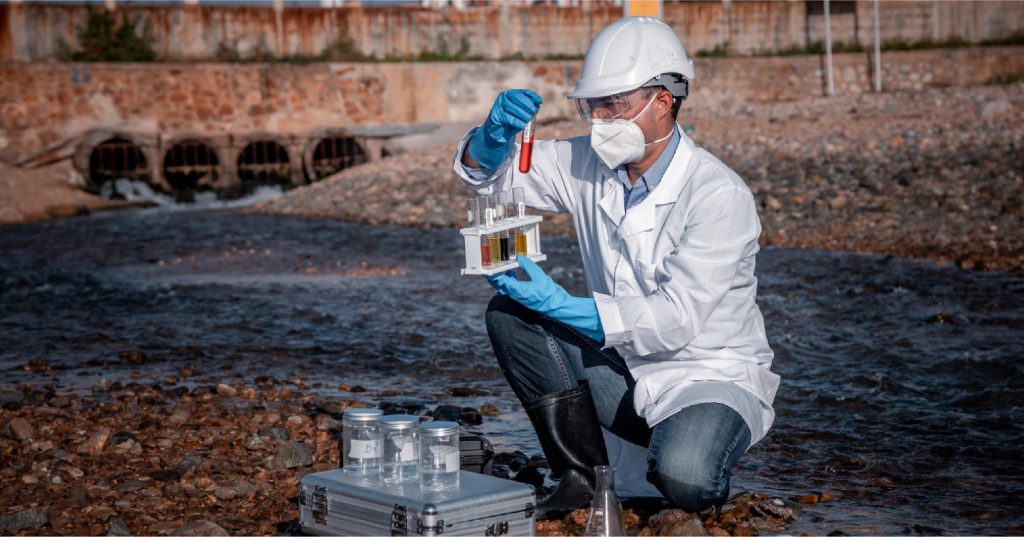
As Portugal expands its industrial base — from food processing and textiles to pharmaceuticals, power, and desalination — water quality management has become a critical priority. One of the most persistent operational problems industries face is scale formation in boilers, cooling towers, heat exchangers, and membrane systems. Scale not only reduces heat transfer efficiency but also increases energy consumption, maintenance frequency, and equipment downtime.
To address these challenges, industries increasingly rely on chemical water treatment. Understanding what chemical water treatment is. And how it supports scale control is essential for efficient, reliable operations across Portugal.
What Is Chemical Water Treatment?
Chemical water treatment refers to the controlled use of chemical formulations to modify water chemistry for specific industrial needs. It helps prevent scale, corrosion, fouling, and microbial growth in utility systems such as cooling towers, boilers, process water streams, and desalination units.
In the context of scale control, chemical treatment works by:
- Preventing minerals from crystallising
- Dispersing suspended particles
- Stabilising dissolved solids
- Protecting equipment from deposits
For Portugal’s industries, which often work with hard water or high-TDS sources, chemical treatment is a fundamental requirement.
Why Scale Forms in Industrial Water Systems?
Scale formation occurs when calcium, magnesium, silica, or other mineral salts precipitate out of water due to changes in:
- Temperature
- pH
- Pressure
- Concentration
Hard water, high temperatures, and concentrated recirculating systems accelerate scaling. Portugal’s coastal industries also face scaling challenges in desalination operations using RO membranes and thermal units.
Without treatment, scale leads to:
- Reduced heat-exchange efficiency
- Higher energy bills
- More chemical cleaning
- Poor operational reliability
- Shortened equipment life
Chemical treatment helps prevent these performance losses.
Types of Chemicals Used for Scale Control
Scale control programmes in industrial facilities typically include:
1. Antiscalants
Prevent mineral crystals from forming or adhering to surfaces. Widely used in cooling towers, boilers, and especially membrane desalination plants.
2. Dispersants
Keep suspended solids in circulation, preventing them from settling or forming deposits.
3. pH Conditioning Agents
Adjust water chemistry to keep minerals soluble.
4. Sequestrants
Bind minerals like calcium and magnesium, reducing their ability to cause scale.
5. Chemical Oxidants (Where Required)
Understanding what chemical oxidation in water treatment is essential. Chemical oxidation uses oxidising agents such as chlorine, ozone, or peroxide to break down organic contaminants that may otherwise contribute to fouling or scaling.
These oxidants also support disinfection and remove organic load that can interact with minerals.
Together, these chemicals create a stable water environment that protects equipment and improves efficiency.
Role of Chemical Water Treatment in Industrial Utilities
Chemical programmes play a central role in the performance of:
- Boilers
- Cooling towers
- Closed-loop cooling systems
- Reverse osmosis plants
- Condensers
- Heat exchangers
- Thermal desalination units
For example, in power plants and industrial facilities across Portugal, a well-designed chemical treatment programme prevents scaling on boiler tubes and cooling tower fill media, enabling stable operations even during peak demand.
Integrated Monitoring & Control
Chemical treatment works best when combined with:
- Online monitoring systems
- Automatic dosing pumps
- Conductivity and hardness control
- Regular water audits
- RO membrane performance tracking
Smart dosing and SCADA-based control help prevent over- or under-dosing, ensuring consistent protection at the lowest operational cost.
Why Chemical Treatment Matters for Portugal’s Industrial Growth
Economic sectors such as textiles, food & beverage, pharmaceuticals, power, and desalination facilities depend on reliable utility systems. Scale-related failures can disrupt production, raise energy costs, and reduce system lifespan.
Chemical water treatment enables:
- 10–30% energy savings through clean heat-exchange surfaces
- Longer membrane and equipment life
- Better operational uptime
- Lower breakdowns and chemical cleaning cycles
- Compliance with environmental and quality standards
For coastal industries where seawater RO is widely used, antiscalants and cleaning chemicals are essential for stable desalination performance.
Why Choose Ion Exchange?
Choosing the right partner in chemical water treatment makes all the difference. Ion Exchange stands apart due to:
- Tailored Formulations for diverse water chemistries across Indonesia.
- Environmentally Responsible Chemicals meet global safety and compliance standards.
- Integrated Solutions that combine chemistry with engineering for total plant efficiency.
- Sustainability Commitment through reduced chemical consumption and waste generation.
Our INDION range of water treatment chemicals is trusted across power plants, refineries, food and beverage factories, and municipal utilities in Portugal.
Conclusion
Whether in desalination plants, boilers, cooling towers, or industrial utilities, chemical treatment remains one of the most effective ways to control scale and maintain system performance. Knowing what chemical water treatment is? And how chemical oxidation supports water quality helps industries make informed decisions that protect equipment and reduce operational costs.
Connect with Ion Exchange experts to implement customised chemical treatment programmes designed to control scale, improve efficiency, and enhance water system reliability across Portugal.