

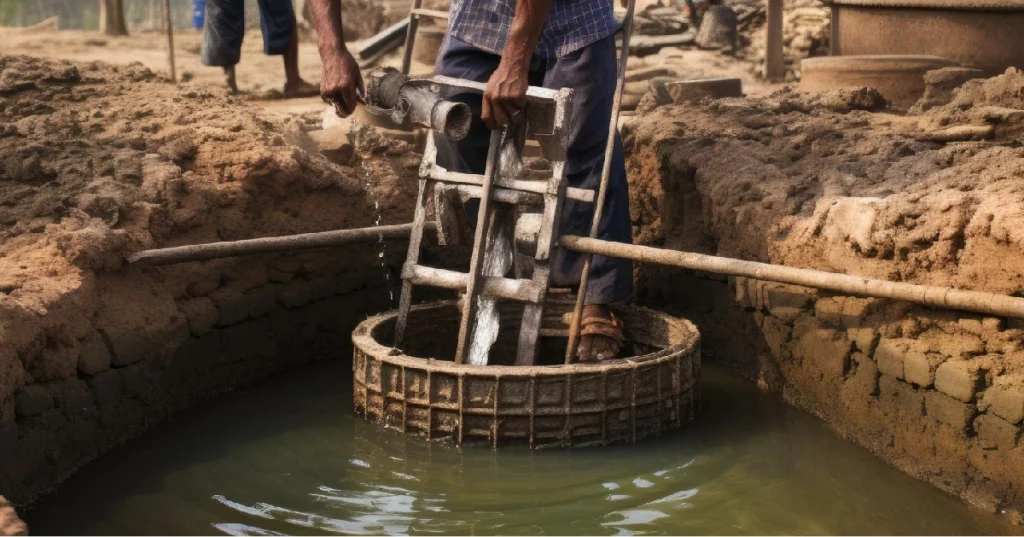
Access to a dependable Water Supply is essential for improving public health, supporting economic development, and enhancing the overall quality of life. In Sri Lanka, growing urbanization and population demands have increased the need for efficient and sustainable Water Supply Systems that can deliver safe water to communities across both urban and rural regions.
Integrated water infrastructure projects are helping address these challenges by developing modern Water Supply Project frameworks that combine treatment, storage, and distribution systems to ensure reliable water availability.
Challenges in Water Supply Infrastructure
Many regions in Sri Lanka face challenges related to water availability and infrastructure development. Limited treatment facilities, aging distribution networks, and uneven access to water resources can affect the efficiency of Water Supply Systems.
Key challenges include:
- Increasing demand for a reliable Water Supply
- Need for modernization of water infrastructure
- Limited access to treated water in remote areas
- Rising pressure on existing water resources
Addressing these challenges requires comprehensive Waste Infrastructure Projects and integrated water management strategies that strengthen water supply networks.
Role of Integrated Water Supply Systems
Integrated Water Supply Systems combine multiple infrastructure components to ensure efficient water collection, treatment, storage, and distribution. These systems help improve water accessibility while maintaining consistent water quality for communities.
Key elements of modern Water Supply Systems include:
- Source water collection and protection
- Water treatment facilities for improving water quality
- Storage reservoirs and pumping stations
- Distribution networks delivering water to households and industries
By integrating these components into a single Water Supply Project, governments and utilities can provide reliable water services while improving operational efficiency.
Strengthening Waste Infrastructure Projects
Waste Infrastructure Projects play an important role in supporting sustainable water supply and environmental protection. Proper wastewater and waste management systems help reduce contamination risks and protect water resources used for drinking and domestic purposes.
Integrating waste management infrastructure with Water Supply Systems ensures that water sources remain protected while enabling sustainable development.
Benefits of Modern Water Supply Projects
Implementing integrated Water Supply Project solutions offers several benefits for communities and local economies:
- Improved access to clean and safe drinking water
- Enhanced public health and sanitation standards
- Reliable water supply for households and businesses
- Reduced environmental impact through better infrastructure planning
- Long-term sustainability of water resources
These benefits contribute to improved living conditions and support regional economic growth.
Ion Exchange Solutions for Water Supply Infrastructure
Ion Exchange designs and implements robust water supply and distribution systems to ensure equitable, uninterrupted, and safe water delivery across urban, semi-urban, and rural geographies. The company provides end-to-end solutions encompassing source development, raw water intake, transmission, treatment, and distribution networks. With expertise in hydraulic modeling, network optimization, and pipeline engineering, Ion Exchange ensures high efficiency, minimal water loss, and sustained pressure management across the supply chain. Their infrastructure solutions include smart metering, integrated SCADA controls, and GIS mapping to enhance operational visibility and management. Whether it’s catering to large municipal utilities or decentralized community water systems, Ion Exchange’s solutions are engineered for reliability, scalability, and long-term sustainability.
Building a Sustainable Water Future
As Sri Lanka continues to expand its infrastructure and improve living standards, investments in integrated Water Supply Systems will remain essential for sustainable development. Modern Water Supply Project initiatives combined with effective Waste Infrastructure Projects can help ensure reliable access to clean water for communities across the country.
By strengthening water supply infrastructure and adopting advanced water management solutions, Sri Lanka can move toward a future where every community benefits from safe, reliable, and sustainable water supply.
FAQs
1. Why are integrated water supply systems important for growing cities?
Integrated water supply systems ensure a reliable water supply by combining treatment, storage, and distribution infrastructure to meet increasing urban and population demands.
2. What are the main components of a modern water supply project?
A modern water supply project includes source development, water treatment plants, storage reservoirs, pumping stations, and distribution networks for efficient water delivery.
3. How do infrastructure projects improve water distribution efficiency?
Infrastructure projects improve efficiency by upgrading pipelines, optimizing pumping systems, reducing water loss, and ensuring consistent pressure across water supply systems.
4. Why is wastewater management important for protecting water sources?
Wastewater management prevents contamination of natural water resources, helping maintain water quality and ensuring safe drinking water for communities.
5. How does Ion Exchange support large-scale water supply infrastructure projects?
Ion Exchange provides end-to-end water supply solutions, including intake systems, treatment plants, transmission networks, and smart monitoring technologies for a reliable and sustainable water supply.