

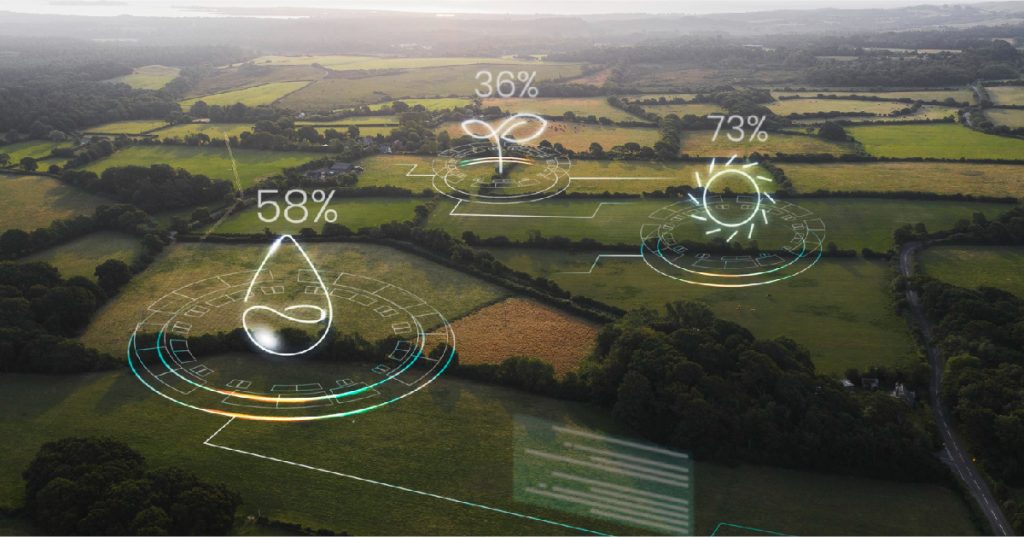
Portugal is taking bold steps toward sustainable water management, with smart infrastructure and digital technologies leading the way. As climate variability, urbanization, and industrial expansion intensify pressure on water resources, real-time visibility and control have become essential. This is where remote water monitoring systems come into play — enabling utilities and industries to optimize water operations, prevent losses, and ensure sustainable resource management.
What Are Remote Water Monitoring Systems?
A remote water monitoring system is an advanced digital solution that collects, transmits, and analyzes real-time data from water treatment plants, pipelines, and distribution networks. Equipped with sensors, meters, and data loggers, these systems provide insights into key parameters such as flow, pressure, pH, conductivity, turbidity, and tank levels.
By integrating communication technologies like IoT, GSM, or SCADA, these systems allow operators to remotely monitor performance, detect leaks, and make data-driven decisions — anytime, anywhere.
In Portugal, where both coastal and inland regions face distinct water challenges, the adoption of such systems is reshaping how municipalities, utilities, and industries manage water more efficiently and sustainably.
Why Portugal Needs Smart Water Monitoring?
Portugal’s water networks span thousands of kilometers, supplying diverse urban, rural, and industrial areas. Without continuous oversight, inefficiencies and water losses are inevitable. Remote water monitoring systems help address several pressing challenges:
- Non-Revenue Water Reduction – Detecting leaks and unauthorized consumption in real-time.
- Operational Optimization – Monitoring pumps, valves, and treatment units for maximum efficiency.
- Quality Assurance – Tracking water quality parameters to ensure compliance with EU and local regulations.
- Energy Savings – Identifying inefficiencies in pumping and treatment to minimize power consumption.
- Sustainability Compliance – Supporting Portugal’s national water strategy and EU sustainability targets.
Role of Utility Monitoring and Control Systems
A utility monitoring control system forms the backbone of digital water management. It integrates hardware (sensors, transmitters, PLCs) and software (dashboards, analytics, alarms) to deliver centralized control.
In the context of water treatment and distribution, such systems provide:
- Centralized Oversight – Unified visualization of multiple sites across treatment plants, pumping stations, and reservoirs.
- Predictive Maintenance – Early identification of equipment wear or failure through data trends.
- Automation and Remote Operation – Enabling real-time adjustments in flow, pressure, or dosing.
- Regulatory Reporting – Automated data collection and compliance reporting aligned with EU standards.
By integrating remote water monitoring systems into utility operations, water service providers in Portugal can move from reactive maintenance to predictive, performance-based management.
Ion Exchange’s Expertise in Smart Water Monitoring
Restoring Water Quality at Bhilai Water Treatment Plant
The Bhilai Water Treatment Plant, with a capacity of 144 MLD, faced persistent issues of high turbidity (5-7 NTU) and color (2025 Pt-Co) in tap water, despite relatively moderate inlet turbidity levels of 10-20 NTU. The problem was further compounded by high organic content in raw water, including fulvic and fumaric acids, leading to odor issues and a greenish tint in treated water. The high pH of 9.4 also affected coagulation efficiency, making it difficult for the existing alum and chlorination-based treatment to deliver satisfactory results.
To address these challenges, Ion Exchange India Limited (IEIL) implemented a polymer-based dosing system using INDFLOC 100A, INDFLOC 238, and INDFLOC 27, starting treatment on August 13. This optimized approach significantly improved coagulation, effectively reducing turbidity to <1 NTU (limit: 3 NTU) and colour to <2 Pt-Co (limit: 5 Pt-Co). Further enhancements included the installation of baffles for improved chemical mixing and a dosing skid with a variable frequency drive and screw pump to manage flow and dose variations efficiently.
To ensure long-term reliability, a team of experienced professionals, including chemical engineers, chemists, and technical support staff, was deployed to oversee operations. Regular maintenance, including quarterly health check-ups of the dosing system, was implemented to ensure optimal performance. Additionally, subject matter experts conducted continuous remote monitoring, analyzing real-time data to maintain consistent water quality. This comprehensive approach successfully restored the plant’s ability to deliver high-quality, safe drinking water while also reducing operational costs and minimizing sludge generation. The project was executed with a well-planned investment, ensuring sustainability and efficiency in water treatment.
Benefits of Remote Water Monitoring in Portugal
- Efficiency – Real-time data enables quick responses and optimal resource allocation.
- Cost Reduction – Early detection of leaks and inefficiencies prevents water and energy losses.
- Compliance – Ensures adherence to Portuguese and EU water quality and environmental regulations.
- Sustainability – Supports the transition to smart, low-carbon water systems aligned with Portugal’s Green Deal initiatives.
- Reliability – Remote visibility enhances resilience against droughts, emergencies, and equipment failures.
Conclusion
The future of water management in Portugal is digital — and remote water monitoring systems are at the center of this transformation. By combining automation, data analytics, and centralized control, utilities can achieve unprecedented efficiency and sustainability.
With Ion Exchange’s expertise in remote water monitoring system design and utility monitoring control system integration, Portugal’s water sector is better equipped to meet the challenges of tomorrow while conserving one of its most precious resources.