

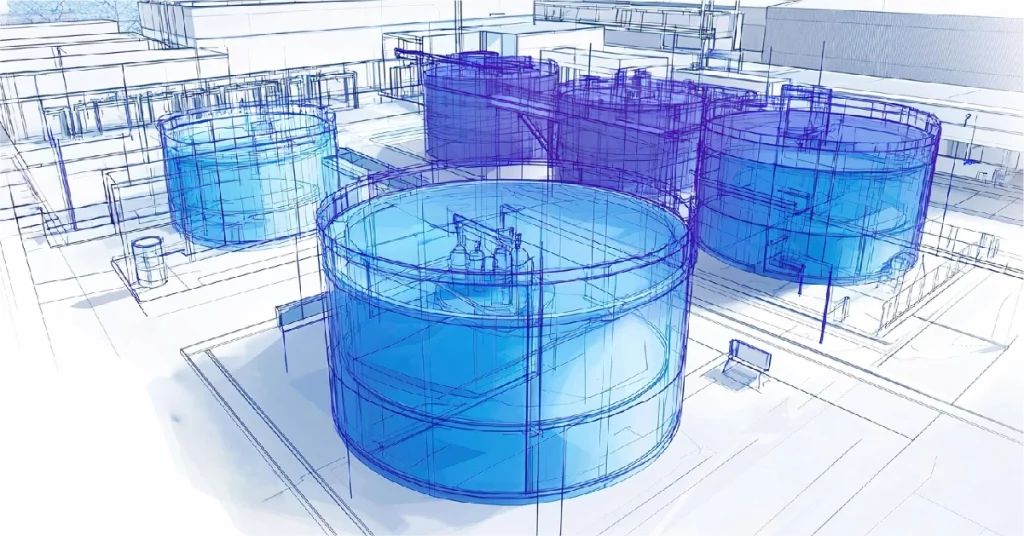
Access to safe drinking water is a fundamental requirement for every industrial facility. Whether it is a manufacturing plant, pharmaceutical facility, food processing unit, refinery, power plant, or industrial township, employees require a reliable supply of clean and safe water for drinking, sanitation, and welfare facilities.
In Portugal, industries are increasingly investing in advanced potable water systems to ensure regulatory compliance, support employee well-being, and maintain operational continuity. Designing an effective industrial potable water system requires careful planning, proper treatment technology selection, and a long-term focus on water quality management.
Modern potable water treatment systems help industries convert raw water from municipal supplies, groundwater, surface water, or desalination plants into safe drinking water that meets national and international quality standards.
Why Potable Water Systems Are Important in Industrial Facilities?
Industrial plants often employ hundreds or even thousands of workers who rely on safe drinking water every day.
An effective potable water system helps:
- Protect employee health
- Prevent waterborne illnesses
- Meet occupational health requirements
- Ensure regulatory compliance
- Support workplace productivity
- Improve operational reliability
Providing safe drinking water is not only a legal responsibility but also an essential component of sustainable industrial operations.
Understanding Industrial Potable Water Systems
Industrial potable water systems are designed to treat, store, and distribute water intended for human consumption within industrial facilities.
These systems typically include:
- Raw water intake
- Water treatment units
- Storage tanks
- Pumping systems
- Distribution networks
- Monitoring and control systems
The objective is to ensure that water delivered throughout the facility consistently meets drinking water quality standards.
Key Factors in Designing a Potable Water Treatment System
-
Water Source Assessment
The first step in designing a potable water treatment system is evaluating the available water source.
Common sources include:
- Municipal water supplies
- Groundwater
- Surface water
- Desalinated water
- Recycled water after advanced treatment
Each source presents different treatment challenges and influences system design.
-
Water Quality Analysis
Detailed water testing helps identify contaminants such as:
- Suspended solids
- Microorganisms
- Dissolved salts
- Heavy metals
- Organic contaminants
- Hardness-causing minerals
The treatment process is then tailored to address these specific water quality parameters.
-
Demand Estimation
System designers must calculate:
- Daily water consumption
- Peak demand periods
- Future expansion requirements
Proper sizing ensures reliable water supply without overdesigning the system.
Components of a Potable Water Treatment Plant
A modern potable water treatment plant typically incorporates several treatment stages.
-
Screening and Pretreatment
Removes:
- Large debris
- Sediments
- Floating matter
This protects downstream treatment equipment.
-
Filtration Systems
Filtration removes suspended particles and improves water clarity.
Common technologies include:
- Sand filtration
- Multimedia filtration
- Cartridge filtration
-
Activated Carbon Treatment
Activated carbon systems help remove:
- Organic compounds
- Odors
- Taste issues
- Residual chemicals
This improves overall water quality and consumer acceptance.
-
Reverse Osmosis Systems
Where high levels of dissolved contaminants are present, reverse osmosis provides advanced purification.
RO systems remove:
- Dissolved salts
- Heavy metals
- Organic contaminants
- Microbial impurities
These systems are commonly used in advanced industrial water purification systems.
-
Disinfection Systems
Disinfection ensures microbiological safety.
Common methods include:
- Chlorination
- Ultraviolet (UV) treatment
- Ozone treatment
- Chlorine dioxide systems
Effective disinfection is critical for maintaining potable water quality.
Industrial Drinking Water Treatment Requirements
Industrial facilities often face unique drinking water challenges due to:
- Remote plant locations
- Variable source water quality
- Large workforce requirements
- Seasonal fluctuations in water demand
A well-designed industrial drinking water treatment system must provide:
- Consistent water quality
- Operational reliability
- Ease of maintenance
- Regulatory compliance
- Scalability for future growth
Distribution and Storage Considerations
Treatment alone is not sufficient. Safe water must also be stored and distributed properly.
Important considerations include:
-
Storage Tanks
Storage systems should prevent contamination while maintaining adequate supply reserves.
-
Distribution Networks
Pipelines should be designed to:
- Prevent stagnation
- Maintain water pressure
- Ensure continuous flow
-
Monitoring Systems
Real-time monitoring helps verify:
- Water quality
- Disinfection levels
- System performance
These measures ensure safe water delivery throughout the facility.
Regulatory Compliance for Potable Water Systems
Industrial potable water systems must comply with local drinking water regulations and quality standards.
Key parameters often monitored include:
- Microbial contamination
- Turbidity
- pH
- Total Dissolved Solids (TDS)
- Residual disinfectant levels
- Heavy metals
Regular monitoring and maintenance help ensure ongoing compliance.
Benefits of Well-Designed Potable Water Systems
-
Improved Employee Health
Safe drinking water reduces the risk of waterborne diseases and promotes workforce well-being.
-
Regulatory Compliance
Proper treatment systems help facilities meet health and safety requirements.
-
Operational Reliability
Reliable water supply supports uninterrupted plant operations.
-
Reduced Maintenance Costs
Effective treatment minimizes scaling, corrosion, and equipment fouling.
-
Enhanced Sustainability
Modern treatment technologies improve water efficiency and resource management.
Emerging Trends in Industrial Water Purification Systems
Industrial water treatment is evolving rapidly with the adoption of:
- Smart monitoring systems
- Automated treatment controls
- Advanced membrane technologies
- Energy-efficient treatment processes
- Remote performance monitoring
These innovations improve treatment reliability while reducing operating costs.
Ion Exchange Solutions for Potable Water Treatment
Ion Exchange offers comprehensive drinking water treatment solutions and potable water systems for industrial, municipal, and commercial applications.
Its capabilities include:
- Potable water treatment plants
- Industrial potable water systems
- Reverse osmosis systems
- Advanced filtration technologies
- Disinfection systems
- Water quality monitoring solutions
- Turnkey water treatment projects and lifecycle support
These solutions are designed to deliver safe, reliable drinking water while supporting operational efficiency and regulatory compliance.
Conclusion
Designing effective potable water systems is essential for ensuring safe drinking water availability in industrial facilities. From source water assessment and treatment technology selection to storage, distribution, and monitoring, every stage plays a critical role in maintaining water quality and reliability.
As industries across Portugal continue to prioritize employee welfare, sustainability, and regulatory compliance, investing in advanced industrial potable water systems will remain a key component of responsible industrial development.
Connect with Ion Exchange experts to explore potable water treatment plants, industrial drinking water treatment systems, and customized water purification solutions for your facility.
FAQs
-
What is a potable water system?
A potable water system treats, stores, and distributes water that is safe for human consumption and daily use.
-
Why are industrial potable water systems important?
They ensure safe drinking water for employees, support regulatory compliance, and protect public health.
-
What technologies are used in potable water treatment plants?
Common technologies include filtration, activated carbon treatment, reverse osmosis, UV disinfection, chlorination, and ozone treatment.
-
How is water quality maintained in industrial drinking water systems?
Through proper treatment, storage management, continuous monitoring, and regular maintenance.
-
How does Ion Exchange support potable water treatment projects?
Ion Exchange provides potable water treatment plants, industrial water purification systems, advanced filtration technologies, disinfection systems, and turnkey drinking water treatment solutions.