

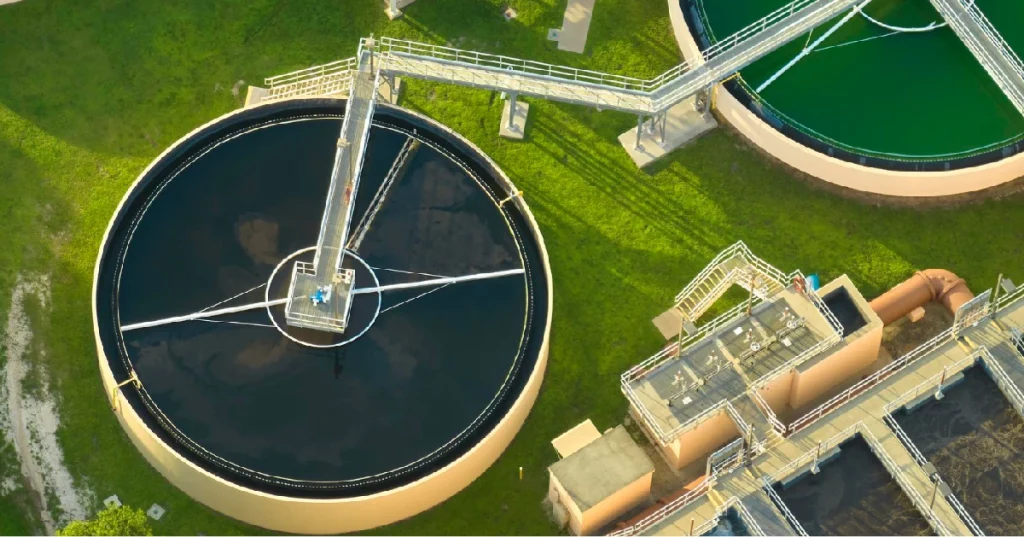
Portugal has made significant progress in improving water infrastructure, sanitation systems, and wastewater management over the past few decades. As urban populations grow and industrial activities expand, the country continues to invest in advanced wastewater treatment technologies to maintain safe tap water quality and protect valuable water resources.
Modern wastewater treatment plants in Portugal rely on advanced treatment processes to remove contaminants, improve water quality, and support safe drinking water while reducing environmental pollution and supporting long-term water security.
By integrating advanced water treatment technologies into municipal and industrial systems, the country is strengthening public health protection and improving environmental sustainability.
Why Wastewater Treatment Is Important for Safe Tap Water?
Untreated wastewater can contaminate rivers, reservoirs, groundwater, and coastal ecosystems that serve as important water sources.
Wastewater may contain:
- Organic pollutants
- Suspended solids
- Pathogens
- Nutrients
- Industrial chemicals
- Heavy metals
Without proper treatment, these contaminants can affect tap water quality and increase environmental and public health risks.
Advanced wastewater treatment systems help prevent pollution while ensuring that treated water safely returns to the environment or is reused responsibly.
Portugal’s Growing Focus on Water Sustainability
Portugal faces increasing pressure on water resources due to:
- Climate variability
- Seasonal droughts
- Urban expansion
- Industrial growth
- Rising water demand
These challenges have accelerated investments in:
- Advanced wastewater treatment technologies
- Water recycling systems
- Smart monitoring infrastructure
- Sustainable water management solutions
Modern Portugal water treatment systems are designed to improve water efficiency while maintaining safe drinking water standards.
How Wastewater Treatment Technologies Work?
Modern wastewater treatment technologies use multiple treatment stages to remove contaminants efficiently.
-
Preliminary Treatment
Removes large debris, sand, grit, and floating solids through screening systems.
-
Primary Treatment
Settles suspended solids and organic matter through sedimentation processes.
-
Secondary Biological Treatment
Uses microorganisms to break down organic pollutants and reduce BOD and COD levels.
-
Tertiary Treatment
Advanced filtration and disinfection technologies improve final water quality for safe discharge or reuse.
This multi-stage process ensures high treatment efficiency and improved environmental protection.
Advanced Wastewater Treatment Technologies in Portugal
Portugal increasingly uses advanced treatment systems to improve water quality and support reuse initiatives.
Membrane Bioreactor (MBR) Systems
MBR systems combine biological treatment with membrane filtration to produce high-quality treated water.
Benefits include:
- Compact system design
- Superior effluent quality
- Improved water reuse capability
- Reduced suspended solids and pathogens
Reverse Osmosis (RO)
Reverse osmosis systems remove dissolved salts, contaminants, and fine impurities from treated water.
RO systems are widely used for:
- Industrial water recycling
- Advanced water purification
- High-quality water reuse applications
UV Disinfection Systems
Ultraviolet treatment provides chemical-free disinfection by eliminating harmful microorganisms.
UV systems help improve:
- Tap water quality
- Water reuse safety
- Public health protection
Smart Water Monitoring Technologies
Digital monitoring systems allow utilities to:
- Monitor water quality in real time
- Detect leaks and contamination risks
- Optimize treatment plant performance
- Improve operational efficiency
Smart systems are becoming increasingly important in modern Portuguese water treatment systems.
Industrial Wastewater Treatment Portugal
Industrial sectors generate wastewater containing chemicals, oils, metals, dyes, and process contaminants that require specialized treatment.
Industries requiring advanced industrial wastewater treatment in Portugal include:
- Pharmaceuticals
- Food processing
- Chemicals
- Textiles
- Manufacturing
- Power generation
Industrial wastewater treatment plants help industries comply with environmental standards while supporting sustainable water management.
Wastewater Treatment Plants in Portugal and Water Reuse
Modern wastewater treatment plants in Portugal increasingly focus on water recycling and reuse strategies.
Treated wastewater can be reused for:
- Irrigation
- Industrial processes
- Cooling systems
- Landscaping
- Utility operations
Water reuse helps reduce freshwater demand and supports long-term sustainability goals.
Safe Drinking Water and Public Health
Maintaining safe drinking water in Portugal depends heavily on effective wastewater management and advanced treatment infrastructure.
Efficient wastewater treatment helps:
- Protect drinking water sources
- Reduce contamination risks
- Improve sanitation standards
- Prevent waterborne diseases
- Support environmental conservation
Strong wastewater infrastructure is therefore essential for maintaining long-term tap water quality in Portugal.
Ion Exchange Solutions for Wastewater Treatment
Ion Exchange provides advanced wastewater treatment and water management solutions for industrial and municipal applications worldwide.
Their solutions include:
- Advanced wastewater treatment technologies
- Industrial wastewater treatment systems
- Water recycling and reuse plants
- Membrane-based treatment systems
- Smart water management solutions
- Integrated Portugal water treatment systems
Using advanced engineering and sustainable technologies, Ion Exchange helps industries and municipalities improve water quality and operational efficiency.
Future of Wastewater Treatment in Portugal
The future of wastewater treatment technologies in Portugal will focus on:
- Increased water reuse
- Smart digital monitoring systems
- Energy-efficient treatment plants
- Circular water economy strategies
- Advanced membrane technologies
- Sustainable infrastructure development
As climate challenges and water demand continue to rise, advanced wastewater treatment will remain essential for ensuring safe drinking water and sustainable water management.
Conclusion
Advanced wastewater treatment technologies are playing a vital role in protecting water resources and maintaining safe tap water quality in Portugal. Through modern treatment plants, smart monitoring systems, and sustainable water reuse initiatives, Portugal continues to strengthen its water infrastructure and environmental sustainability efforts.
By investing in advanced water treatment technologies and efficient wastewater management systems, the country is building a more resilient and sustainable water future.
FAQs
1. Why are wastewater treatment technologies important for safe tap water?
They help remove contaminants, protect water sources, and maintain safe drinking water quality.
2. What technologies are used in modern wastewater treatment plants in Portugal?
Technologies such as MBR, RO, UV disinfection, and smart monitoring systems are widely used.
3. How does industrial wastewater treatment in Portugal support sustainability?
It helps industries reduce pollution, recycle water, and comply with environmental regulations.
4. Can treated wastewater be reused safely?
Yes, advanced treatment technologies allow treated wastewater to be safely reused for industrial and non-potable applications.
5. How does Ion Exchange support wastewater treatment solutions?
Ion Exchange provides advanced treatment technologies, recycling systems, and integrated water management solutions for industrial and municipal applications.